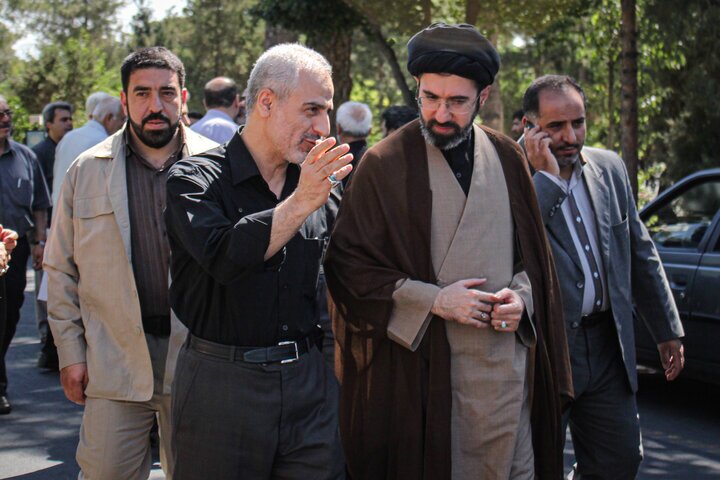
Head of the Judiciary:
All laws related to martyrs, war veterans, and the injured must be implemented comprehensively and without compromise
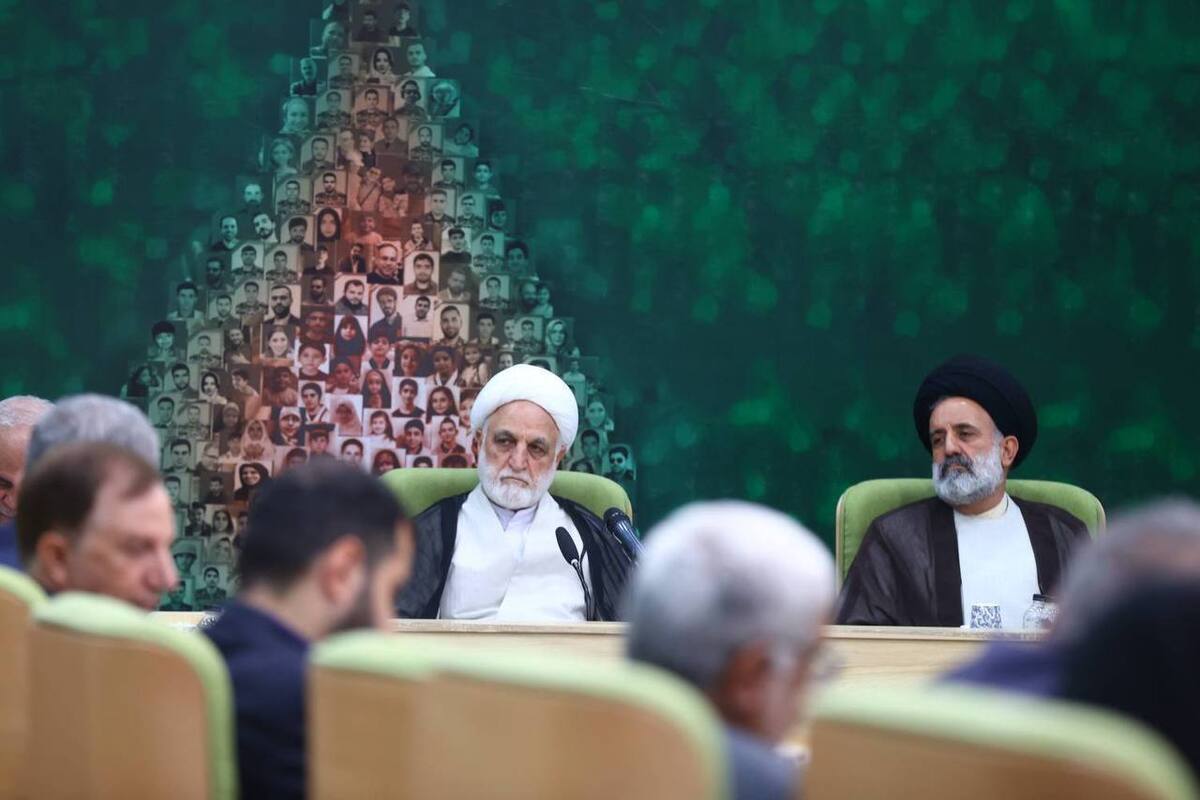
The head of Iran’s Judiciary, speaking before the managers and deputies of the Foundation of Martyrs and Veterans Affairs, stated: “As I have learned, the majority of officials and even the staff of the Martyrs Foundation come from the families of martyrs. This is a unique distinction and an opportunity for the Foundation to serve as a model among all government institutions.”
Head of the Judiciary: All laws related to martyrs, war veterans, and the injured must be implemented comprehensively and without compromise
The head of Iran’s Judiciary, speaking before the managers and deputies of the Foundation of Martyrs and Veterans Affairs, stated: “As I have learned, the majority of officials and even the staff of the Martyrs Foundation come from the families of martyrs. This is a unique distinction and an opportunity for the Foundation to serve as a model among all government institutions.”
Mizan -
According to the Judiciary’s Media Center, Mohseni Eje’i visited the Foundation of Martyrs and Veterans Affairs and met warmly with several families of martyrs from the recent sacred defense of the Iranian nation.
In a brief address during this meeting, the Judiciary chief described the rank of all martyrs of the Islamic Republic, including those of the recent imposed war, as lofty and exalted. He prayed for their elevated stations in heaven and for their union with the martyrs of Karbala.
Families of the esteemed martyrs Shadmani, Babakhani, Abbasi, Khaksari, Younesi, Rasouli, Bakouei, and Shirazi were present at the gathering.
During the meeting, these families offered proposals and requests to raise international awareness of Iran’s recent martyrs and to further expose the crimes of the Zionist regime. The head of the Judiciary welcomed these proposals, announcing that relevant directives would be issued to competent bodies, including the Islamic Republic’s Human Rights Headquarters, to follow up on them.
Continuing his visit, Mohseni Eje’i attended the Council of Deputies of the Foundation. In his speech, he emphasized the high station of martyrs with God and the great reward of serving their families, stating:
“Martyrdom is a supreme triumph and the noblest form of death. Martyrs are provided for by God and hold a lofty status. Consequently, their families and you who serve them enjoy extraordinary reward. Families of martyrs are among the most devoted to the progress of our system and our nation.”
He reiterated that since many Foundation officials and employees themselves come from martyr families, the institution is uniquely positioned to become a model for other government agencies. “As members of martyrs’ families and servants of the path of martyrdom, you should lead all other agencies in serving the people and honoring those who turn to you. You must be distinguished in diligence and efficiency. This in itself is a promotion of the lofty culture of martyrdom and proves that martyr families and their servants are among the most dedicated and capable forces in the country.”
The Judiciary chief proposed forming an organized body of martyr families working within government agencies: “It is only right that government and state employees who belong to martyr, veteran, or injured families form a coherent group that takes responsibility for driving transformation across all state institutions—transformation in serving the people better, in implementing laws more precisely, and beyond. We believe martyr families are the most devoted to the nation and system, and they can be the vanguards of progress and excellence.”
Eje’i also stressed the implementation of all provisions of the memorandum of understanding signed between the Judiciary and the Martyrs Foundation, saying: “We will do our utmost to ensure every article of this memorandum is enforced. Any provision left unimplemented should be reported to us so we can act on it.”
Finally, the head of the Judiciary underscored the uncompromising enforcement of all laws concerning martyrs, veterans, and the injured:
“Our firm emphasis is that all laws related to martyrs, war veterans, and the injured must be implemented fully, comprehensively, and without compromise. Therefore, if any such law has been neglected, bring it to us so we can ensure its execution.”
He concluded by stating that the Judiciary itself considers it a duty to adhere to the law even more than other institutions: “We are committed to uncompromisingly enforcing laws related to martyrs, veterans, and the injured. For this reason, we insist on implementing Articles 87 and 91 of the Sixth Development Plan—extended into the Seventh Plan—regarding veterans’ entitlements. We have made serious efforts to lay the groundwork for enforcing these provisions and continue to pursue this matter with determination.”